Introduction: The World Within You
Did you know that your body is home to trillions of microorganisms, each playing a crucial role in your overall health? This vast, complex community of bacteria, viruses, fungi, and other microbes is known as the microbiome. While often overlooked, the microbiome is integral to everything from digestion and immunity to mental health and disease prevention. In this post, we’ll explore what the microbiome is, why it’s so important, and how you can support its health.
What is the Microbiome?
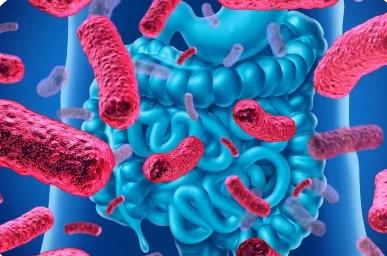
The microbiome refers to the collection of all the microorganisms living in and on your body, primarily in the gut. These microbes are not just passive passengers; they are active participants in many physiological processes. While bacteria make up the bulk of the microbiome, it also includes viruses, fungi, and other microscopic organisms. In fact, the human body contains more microbial cells than human cells, making us more microbe than human!
The Role of the Microbiome in Your Health
Digestion and Nutrient Absorption:
One of the primary roles of the gut microbiome is aiding in the digestion of food. Certain bacteria help break down complex carbohydrates, fibers, and proteins that our bodies cannot digest on their own. These microbes also assist in the production of essential nutrients, such as vitamins B and K, which are vital for energy production and blood clotting, respectively.
Immune System Support:
The microbiome plays a crucial role in regulating the immune system. Beneficial bacteria help train the immune system to distinguish between harmful pathogens and the body’s own cells, reducing the risk of autoimmune diseases. A balanced microbiome is essential for maintaining a strong and responsive immune system.
Mental Health and the Gut-Brain Connection:
The gut and brain are closely connected through what is known as the gut-brain axis. The microbiome influences the production of neurotransmitters like serotonin, which regulates mood and behavior. Research suggests that an imbalanced microbiome may be linked to mental health issues such as anxiety and depression.
Protection Against Disease:
A healthy microbiome helps prevent the colonization of harmful bacteria and pathogens. By outcompeting these invaders for resources and space, beneficial microbes act as a protective barrier, reducing the likelihood of infections and diseases.
Inflammation and Chronic Conditions:
An imbalanced microbiome, often referred to as dysbiosis, can lead to chronic inflammation, which is a root cause of many health conditions, including obesity, diabetes, cardiovascular disease, and inflammatory bowel disease. Maintaining a balanced microbiome is key to preventing these chronic conditions.
Factors That Influence Your Microbiome
The composition of your microbiome is influenced by various factors, some of which are within your control:
- Diet: What you eat has a profound impact on your microbiome. Diets high in fiber, fruits, vegetables, and fermented foods promote a diverse and healthy microbiome, while processed foods and high sugar intake can disrupt microbial balance.
- Antibiotics: While antibiotics are essential for treating bacterial infections, they can also wipe out beneficial bacteria in the gut, leading to dysbiosis. It’s important to use antibiotics only when necessary and to replenish your microbiome with probiotics afterward.
- Lifestyle: Stress, sleep, and exercise also play a role in shaping your microbiome. Chronic stress and poor sleep can negatively affect the gut microbiome, while regular physical activity is associated with a more diverse and resilient microbiome.
- Environment: Your environment, including where you live and your exposure to nature, influences the diversity of your microbiome. People who grow up in rural areas or have regular contact with animals tend to have more diverse microbiomes compared to those living in urban environments.
Conclusion:
Your microbiome is a vital part of your overall health, influencing everything from digestion and immunity to mental well-being. By understanding the role of your microbiome and making informed lifestyle choices, you can support a healthy, balanced microbial community that helps you thrive. Embrace the power of your microbiome and take proactive steps to nurture this incredible ecosystem within you.